If you’ve got UPVC windows and you’re tired of drilling, dangling cords or blinds that never quite sit right, you’ve probably come across Perfect Fit blinds. They’re often advertised as the sleek, no-drill solution for modern windows and doors — especially popular in conservatories, French doors, and newer builds across the UK. But with higher price tags than standard blinds, many homeowners are left wondering… are they really worth it?
In this guide, we’ll break down what Perfect Fit blinds are, how they work, their pros and cons, costs, and whether they’re a smart investment for your home.
What Are Perfect Fit Blinds?
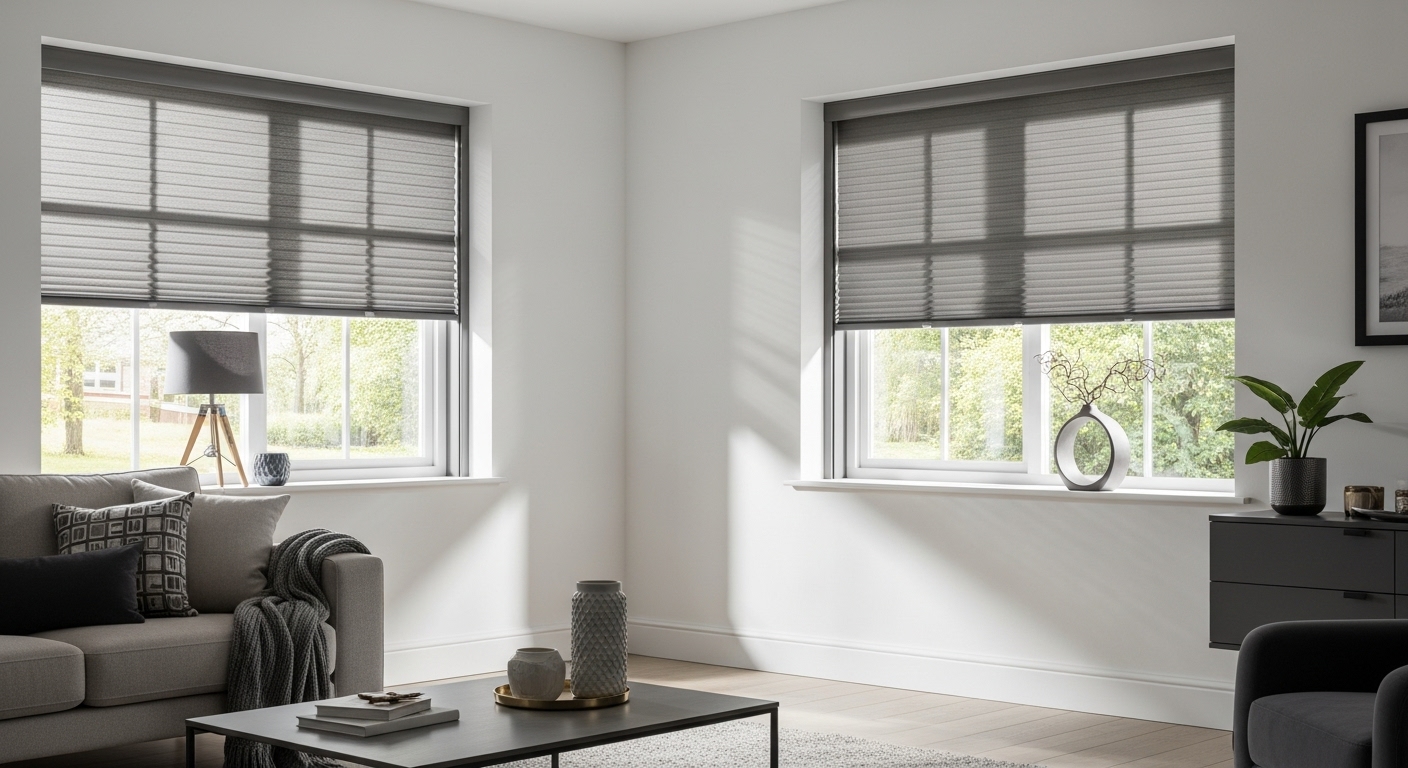
Perfect Fit blinds are a type of made-to-measure blind designed specifically for UPVC windows and glazed doors. Instead of being drilled into the wall or window frame, they’re housed in a slim frame that clips directly onto the window’s beading.
This means:
- No drilling
- No screws
- No visible brackets
- No messy fitting process
The blind sits neatly within the frame and moves with the window or door. You can open, tilt or close your window without the blind getting in the way or banging around.
Where They’re Commonly Used
Perfect Fit blinds work especially well in:
- Conservatories
- Tilt-and-turn windows
- French doors
- Bi-fold and patio doors
- UPVC casement windows
- Skylights (depending on brand)
They’re also popular in rentals and newly installed windows, where homeowners don’t want to drill into the frames.
How Do They Fit?
Instead of drilling into the wall or frame, Perfect Fit blinds clip onto the window using small brackets that slide between the glass and the rubber seal. The frame then snaps into place over the brackets.
This creates a flush, streamlined look, with no protruding strings or fixtures. It also means you can remove them just as easily — ideal if you’re decorating or moving home.
Types of Blinds Available in the Perfect Fit System
Not every style of blind can be made into a Perfect Fit variant, but the most popular options include:
Perfect Fit Roller Blinds
Simple and stylish, with blackout, dim-out and patterned options.
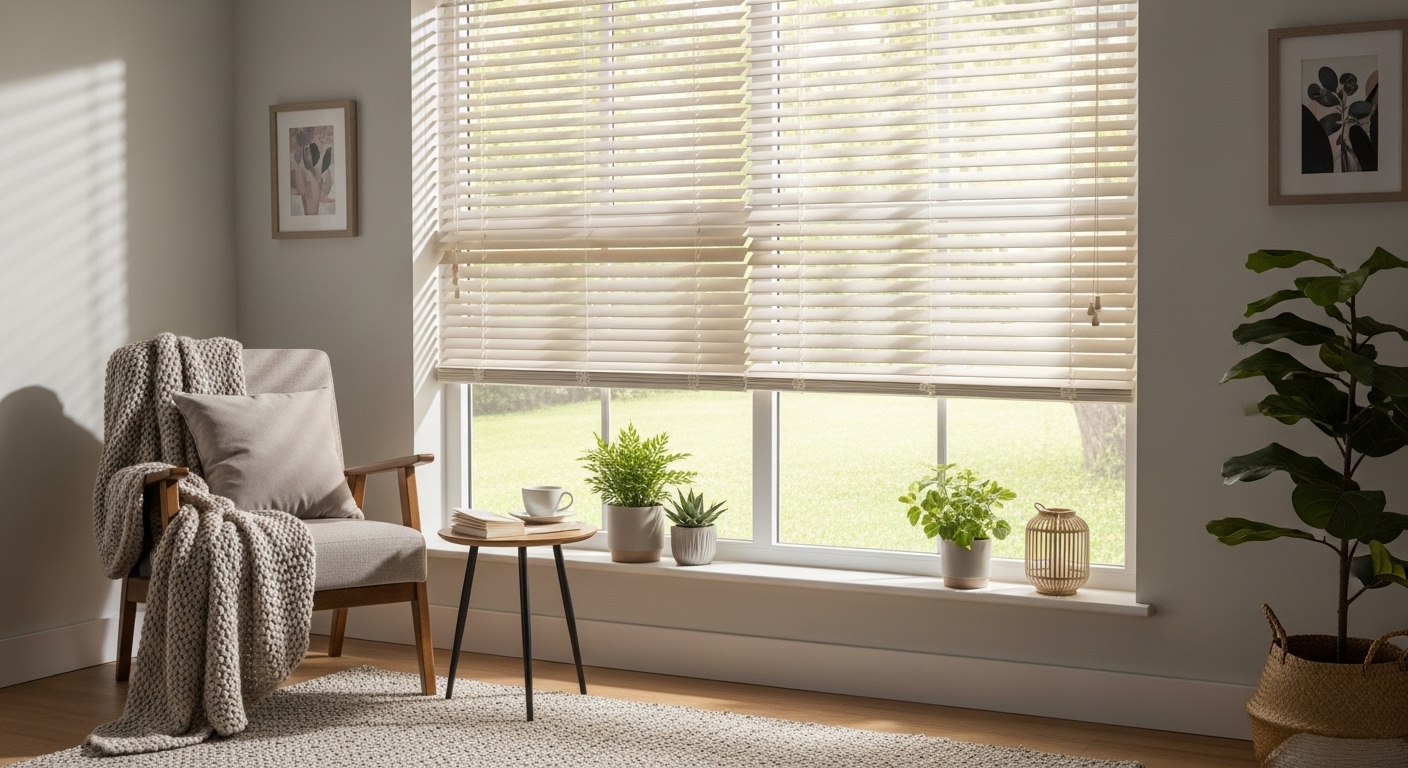
Perfect Fit Venetian Blinds
Available in aluminium or faux wood, great for light control and privacy.
Perfect Fit Pleated Blinds
Ideal for conservatories and energy efficiency, with thermal and cellular options.
Perfect Fit Day and Night (Zebra) Blinds
A modern choice that lets you switch between privacy and filtered light.
The Benefits of Perfect Fit Blinds
Let’s get into why UK homeowners are choosing Perfect Fit designs.
1. No Drilling, No Damage
If you’ve got new windows, rented accommodation, or you simply don’t fancy putting holes everywhere, Perfect Fit blinds solve that immediately.
2. They Move With the Window
Because the blind sits within its own frame on the sash itself, it won’t swing or flap when you open a window or door.
3. Child-Safe by Design
No loose cords, no chains hanging down, and no hazards. They’re inherently child-safe and meet UK safety regulations.
4. A Sleek, Built-In Look
Unlike standard blinds that sit outside the window recess, these look like they’re part of the window frame — modern, tidy and minimal.
5. Energy Efficiency
With pleated or cellular fabrics in particular, Perfect Fit blinds help with insulation. They trap heat in winter and reduce glare in summer, especially in conservatories.
6. More Window Sill Space
Because they sit within the frame, they don’t get in the way of ornaments, plants or blinds that overhang.
7. Easy to Remove and Clean
You can pop them out without hassle, clean the frame or glass, then click them back on in seconds.
The Downsides You Should Know
Perfect Fit blinds are brilliant in the right setting, but they’re not always the best or cheapest choice.
Higher Cost than Standard Blinds
You’re paying for the made-to-measure frame system as well as the blind itself. A similar window size using traditional roller or Venetian blinds would usually be cheaper.
Only Suitable for Certain Windows
They’re designed specifically for UPVC frames with rubber beading. Wooden frames, aluminium frames and deep-set windows often aren’t compatible.
Limited Style Options
You won’t find Perfect Fit versions of Roman blinds or traditional wooden Venetian blinds (unless faux wood is used).
Can Slightly Reduce Visible Glass Area
Because the frame sits on the window frame, it can reduce the visible glass slightly — something to consider in smaller windows.
What About Cost?
Prices vary depending on style, size and supplier, but here’s a rough UK guide:
- Small window (50cm x 50cm): £50–£80
- Standard window (100cm x 100cm): £90–£140
- French doors/conservatory doors: £120–£200+ per pane
Faux wood Venetians, blackout rollers and thermal pleated fabrics tend to sit at the higher end.
Compared to traditional blinds, you might be paying 20–40% more for the Perfect Fit version.
Are They Easy to Install?
Yes — most people can install them without professional help. The frame comes in pieces, and the brackets simply clip in.
No power tools required. No wall plugs. Just a measuring tape and steady hands.
If you’re not confident with DIY, many blind companies in the UK offer supply and fit services for an extra fee.
Perfect Fit Blinds vs Standard Blinds
Here’s a quick comparison to help you decide:
| Feature | Perfect Fit Blinds | Standard Blinds |
| Drilling Required | No | Usually |
| Child Safety | Built-in | Varies |
| Style Range | Moderate | Wide |
| Cost | Higher | Lower |
| Removable | Yes | Depends |
| Suitable for Doors | Yes | Often no |
| Energy Efficiency | Good (with pleated) | Varies |
| Keeps Window Sill Clear | Yes | Not always |
Are They Worth It? An Honest Look
It depends on your home, your windows and your budget.
Perfect Fit Blinds Are Worth It If:
- You have UPVC windows with a rubber beading
- You want a no-drill option
- You have children or pets
- You’re fitting blinds to French doors or bi-folds
- Your home has a conservatory
- You prefer a clean, minimalist finish
- You want blinds that move with the window
- You rent and can’t make permanent changes
They Might Not Be Worth It If:
- You’re on a tight budget
- Your windows aren’t compatible
- You prefer curtains or traditional styles
- You want genuine wooden Venetian blinds
- You’d like Roman blinds or large statement window dressings
What About Conservatories?
Conservatories are one of the most popular places in the UK for Perfect Fit blinds. They’re practical and attractive for several reasons:
- They don’t flap when doors and windows are opened
- You can control glare easily
- They help with insulation
- They look tidy without rails or wires
- You can fit a blind to each pane rather than covering the whole wall of glass
If your conservatory turns into a greenhouse in summer and an icebox in winter, thermal pleated Perfect Fit blinds are often worth the money.
Do They Help with Privacy?
Yes. Because they sit close to the glass with no gaps at the side, there’s less light bleed and improved coverage compared to some standard blinds.
For downstairs rooms facing the street, bathrooms, and patio doors, they’re a discreet and effective way to block out prying eyes.
Maintenance and Cleaning
Maintenance is straightforward:
- Venetian styles can be dusted with a cloth or microfibre wand
- Roller and pleated fabrics can be gently wiped with a damp cloth
- The frame can be removed temporarily for deeper cleaning if needed
No cords to untangle. No awkward angles to reach.
Installation in Rented Properties
For renters, Perfect Fit blinds solve a lot of headaches. Landlords often don’t allow drilling into frames, so they’re ideal — and removable when you move out.
You can even take them with you and have them refitted in your next home, provided the windows are compatible.
Final Verdict: Are Perfect Fit Blinds Worth the Investment?
For many UK homeowners, the answer is yes — especially if you’re fitting blinds to UPVC doors, conservatories, tilt-and-turn windows or child-friendly spaces.
They offer a sleek look, don’t require drilling, and are incredibly practical. However, they do cost more and won’t suit every window type.
If you value convenience, safety, a clean finish and long-term use, they’re a smart investment. If cost or style flexibility is your main priority, you might prefer standard blinds.